
Developmental Edit
A developmental editor’s job is to evaluate the manuscript’s big-picture components to make sure the story’s elements make sense, are well connected, and will be engaging to readers. Developmental editors don’t fix punctuation, grammar, spelling errors, or typos. They focus on the foundation of the book’s structure which includes pacing, possible rearranging of chapters, and story arc. They specifically target plot and any plot holes, character development which encompasses motivation, growth, and consistency, POV (point of view) to check for clarity, and world building to ensure that descriptions make sense and there is enough depth.

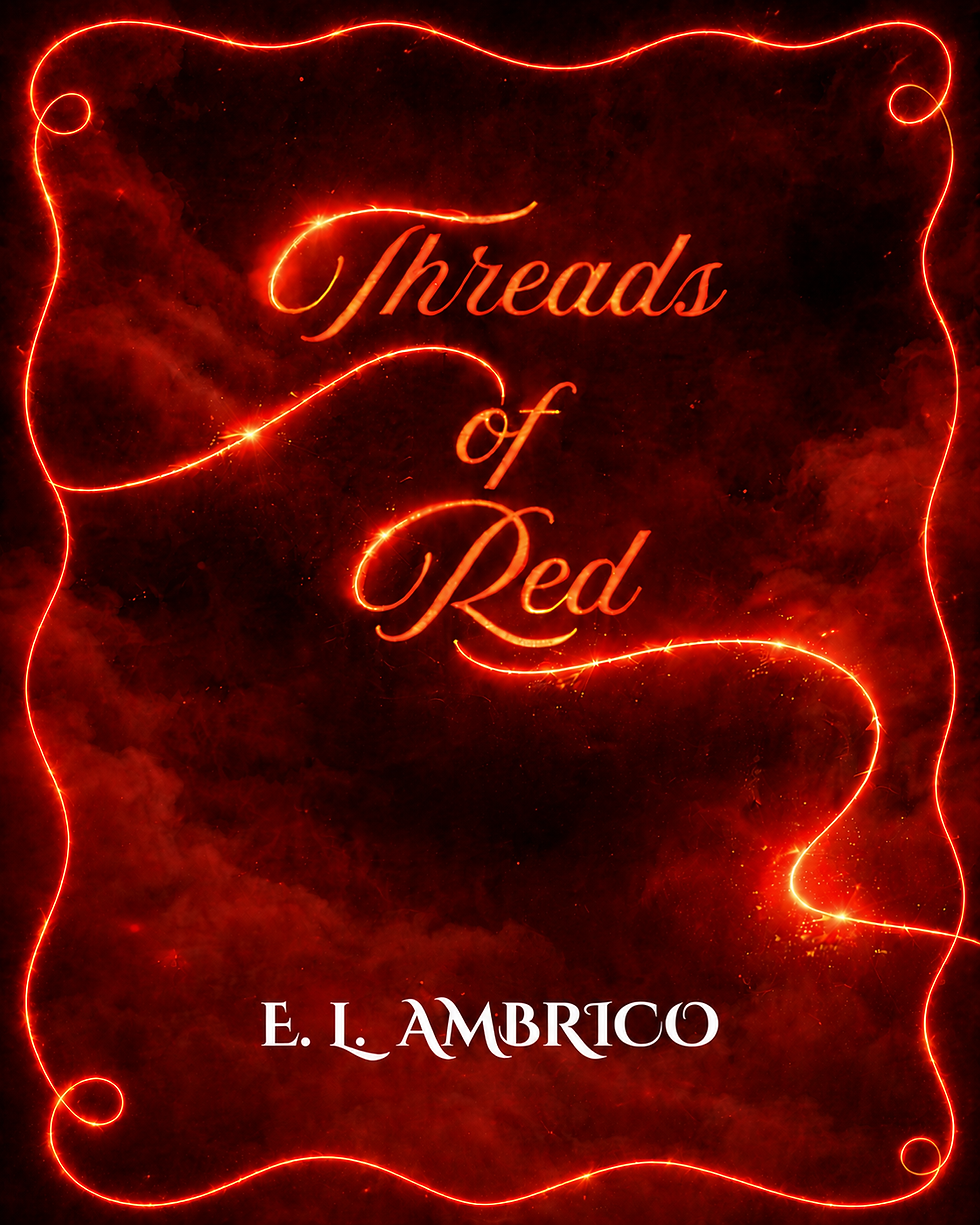
Cue the hallelujah chorus, one of many query letters finally ended in the submission of my manuscript and a publishing contract for Threads of Red—a fated romance with supernatural elements, suspense, and an ancient myth. I poured my very soul into this love story over a period of sixteen years. Some authors produce numerous books in a short period of time, others are on the journey for the long haul. My sister-in-law, who possessed an artistic gift, once told me she could not mass produce her work because she was a slow artist. Her meticulous style resulted in the most beautiful pieces of art, whether it was a portrait, a custom design, or a painted denim jacket for her nephew. When I began writing my first novel, I understood her feelings and realized that though the creative medium was different, I was much like her. The good news to share—I became a much better writer over time and you can too.

Threads of Red, in my view, was as pristine as I could make it. The constructive feedback was positive overall, but I knew after speaking with an acquisitions editor that several issues needed to be addressed. I thought the compelling manuscript I’d written checked all the editorial boxes. The romance, however fated, wasn’t an easy, happy-go-lucky, smooth, everything-is-right-in-the-universe love story. There were struggles, obstacles, character trauma, and unexpected drama driving the story and the couple's relationship. During their whirlwind romance playing out in the blinding lights of Hollywood, my protagonist Ellie Tanner and MMC (main male character) Ezekiel Larson, grew from those struggles and became stronger people, just as I had grown and become a stronger writer. But after productive sessions with my developmental editor, I realized there was more work to do.
Ellie and Ezekiel had a love bound by fate and sealed by magic with echoes of an ancient myth ever present in their day-to-day lives, but that didn’t mean the narrative was ready for primetime. My angel of an editor, with her practiced expertise, shared what was working and what she loved about the story. Then with patience and grace instructed me about where I needed to expand the story and where I needed to pull back. She opined about the characters and how I needed to substantiate, through a bit of backstory, what drove them to acquire certain characteristics—such as Ezekiel’s resolute persona and Ellie’s hide-in-the-shadows personality. We brainstormed new ideas to bring more of the magic in and I went back to the laptop armed with a new strategy and plethora of additions. My writing energy soared and so did the magical story between Ellie and Ezekiel.

Alana, the crazy stalker, was always a part of the red-threaded tale, but the couple didn’t know just how long she had been in the picture or how entwined the three actually were. A bit more of Alana’s backstory was necessary to the overall plot, so on the advice of my editor more was sprinkled in to help connect the red threads that pulled them to one another.
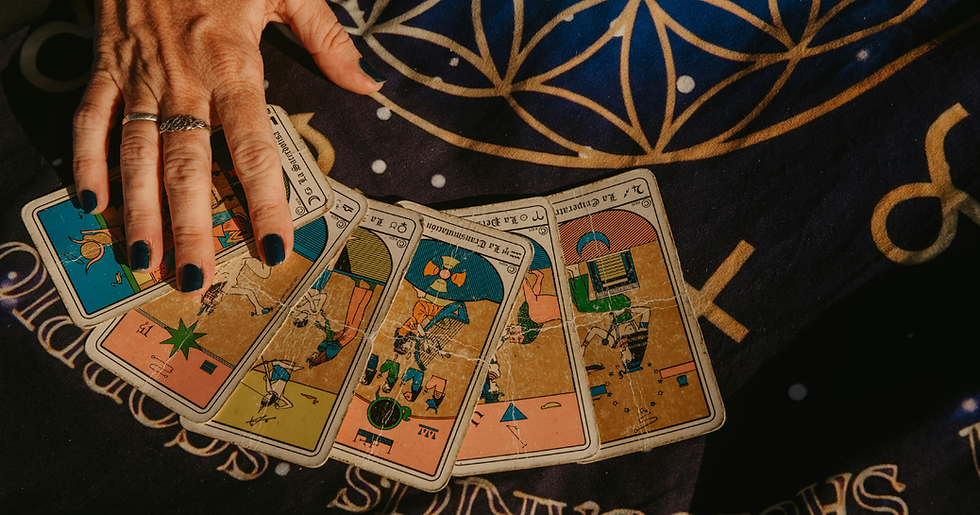
Through my developmental editor’s careful and supportive ministrations, I expanded scenes with Ellie’s psychic friend Kym. Once I was given the green light to explore and add words to the chapter with Kym, my imagination blossomed as did Kym’s pivotal role in the story.

In my opinion, a good developmental editor, one the author has an immediate rapport with, one who gets the author’s intent and understands the book’s themes, is crucial to the novel’s outcome. It may make the difference between a mediocre book and a successful one. I was lucky to be matched with just that person. She knew some of the magical and mythical principles in the manuscript's theme better than I did and her thoughts aided in the story's world building. Through the revisions, I again grew as a writer and storyteller. It was as if my mind opened to an abundance of gripping, suspenseful, thrilling, and magical elements that suddenly needed to be there for the narrative to fully mature. One by one, I weaved each idea into the account, connected events, bolstered plots and subplots, and created new and riveting scenes. I felt, my editor helped to take Threads of Red to a new level. After working with her, I finally felt that my debut novel was ready.
Final thoughts— developmental editors generate ideas, ask questions to better understand the author’s thinking, and give advice and constructive criticism when necessary. No developmental editor worth their salt would ever rewrite your words or write new words for you—period.


